01 / AIR · UAV
Aerial rescue systems
Search and thermal imaging · Emergency payload delivery · Aerial situational awareness.
Explore air systems →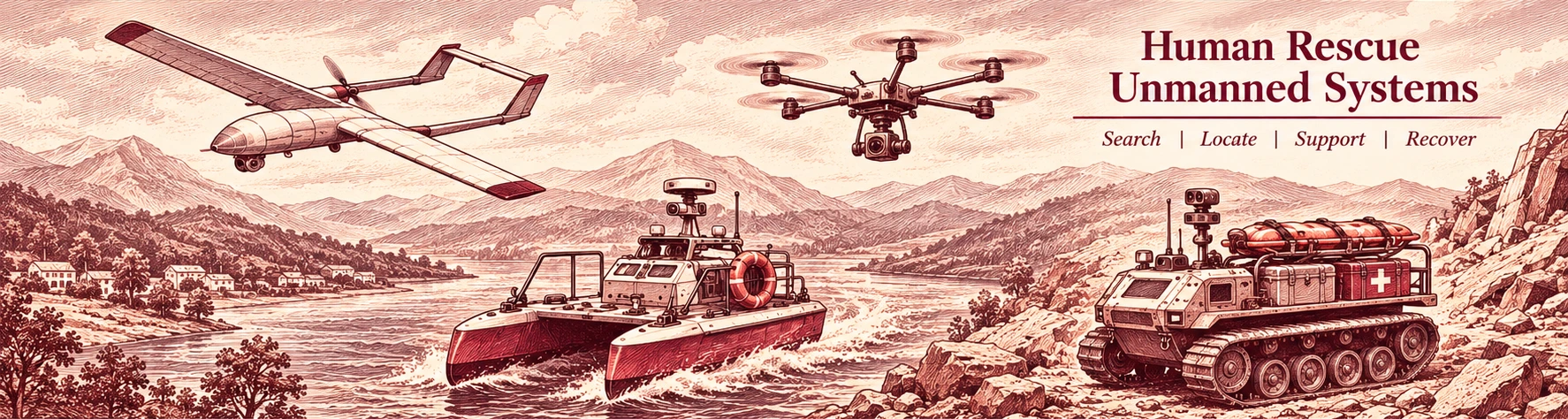
Unmanned and autonomous rescue vehicle engineering for air, water and land. Focused on locating, supporting and recovering people in difficult or hazardous environments.
Explore our systems ↓ Discuss your mission →Search and thermal imaging · Emergency payload delivery · Aerial situational awareness.
Explore air systems →Flotation delivery · Flood reconnaissance · Surface and underwater search.
Explore water systems →Remote human rescue support · Hazardous-site reconnaissance · Emergency logistics.
Explore land systems →Unmanned vehicle platforms for human rescue applications across the three operational domains.
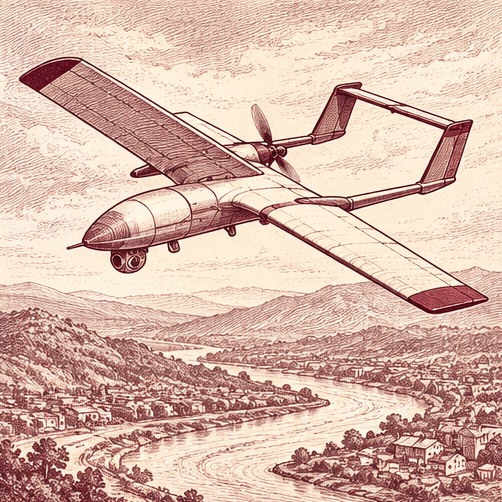
Wide-area aerial search and mapping
Explore air systems →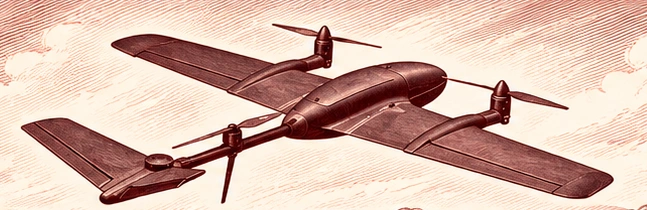
Search from restricted launch sites
Explore air systems →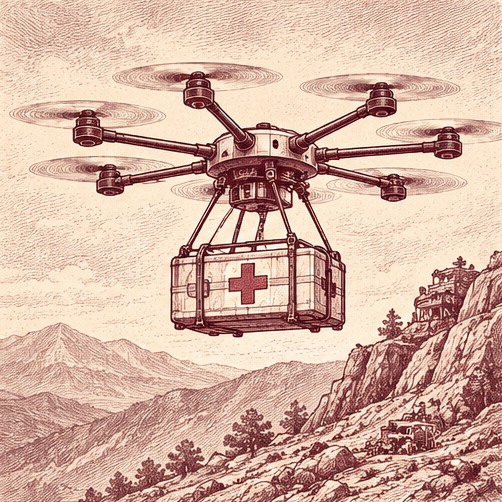
Emergency payload transport
Explore air systems →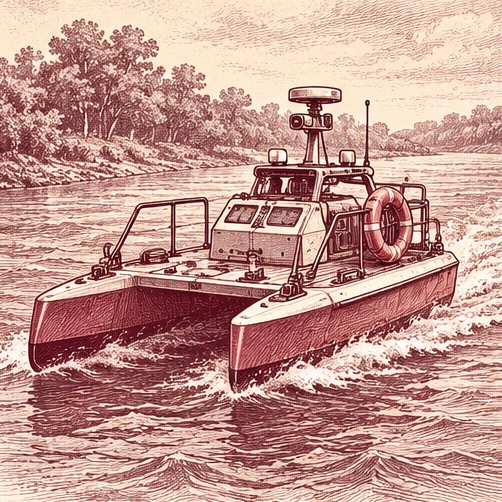
Flood and maritime support
Explore water systems →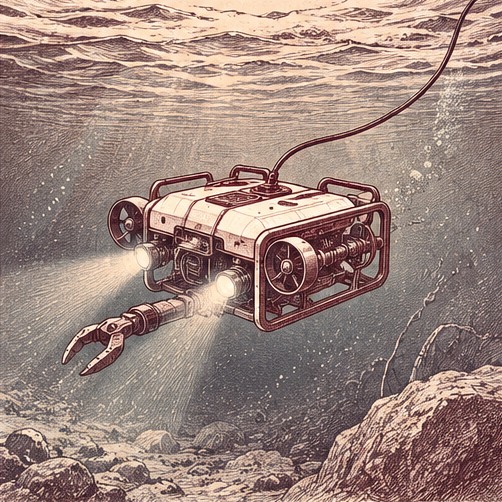
Submerged search and inspection
Explore water systems →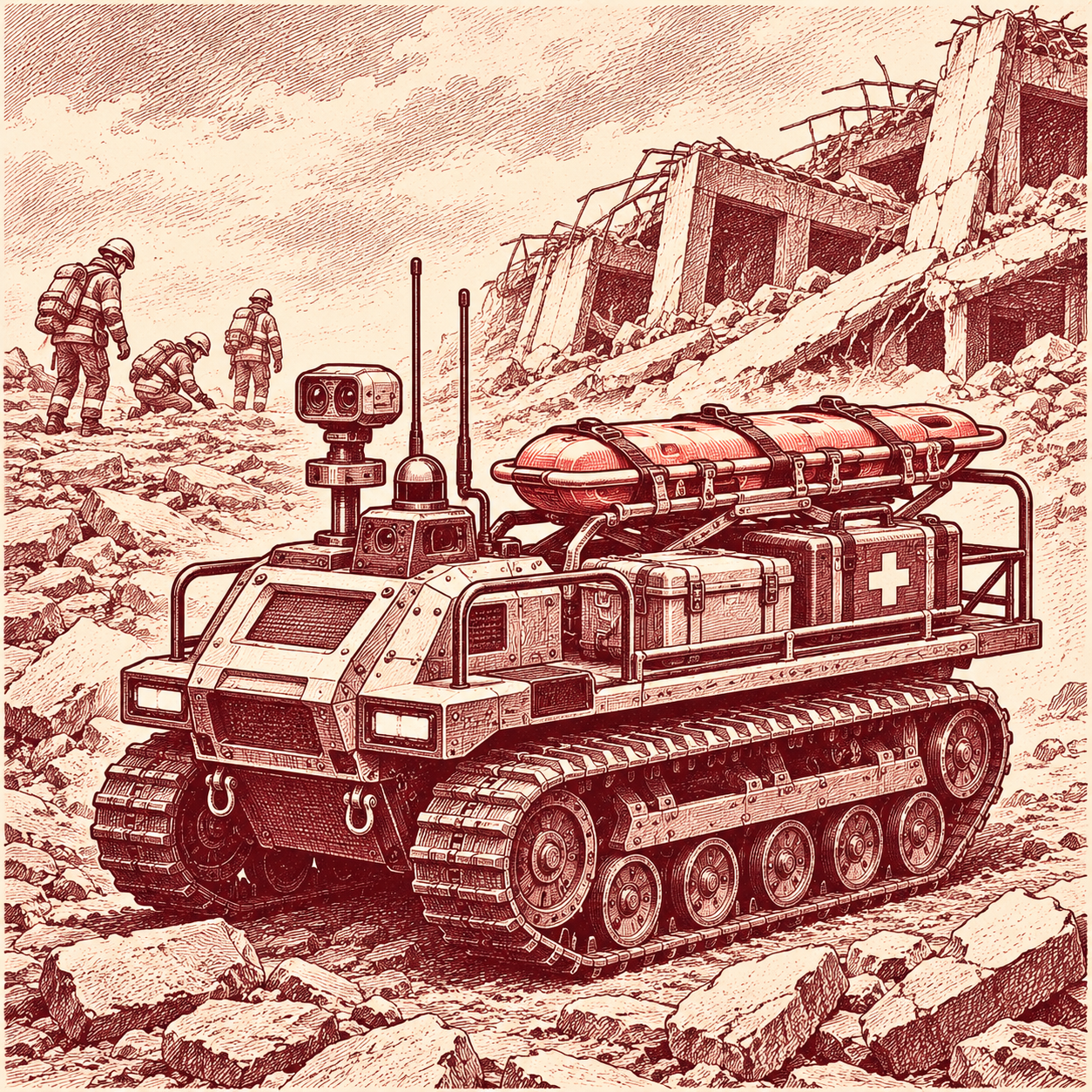
Survivor support and rescue logistics
Explore land systems →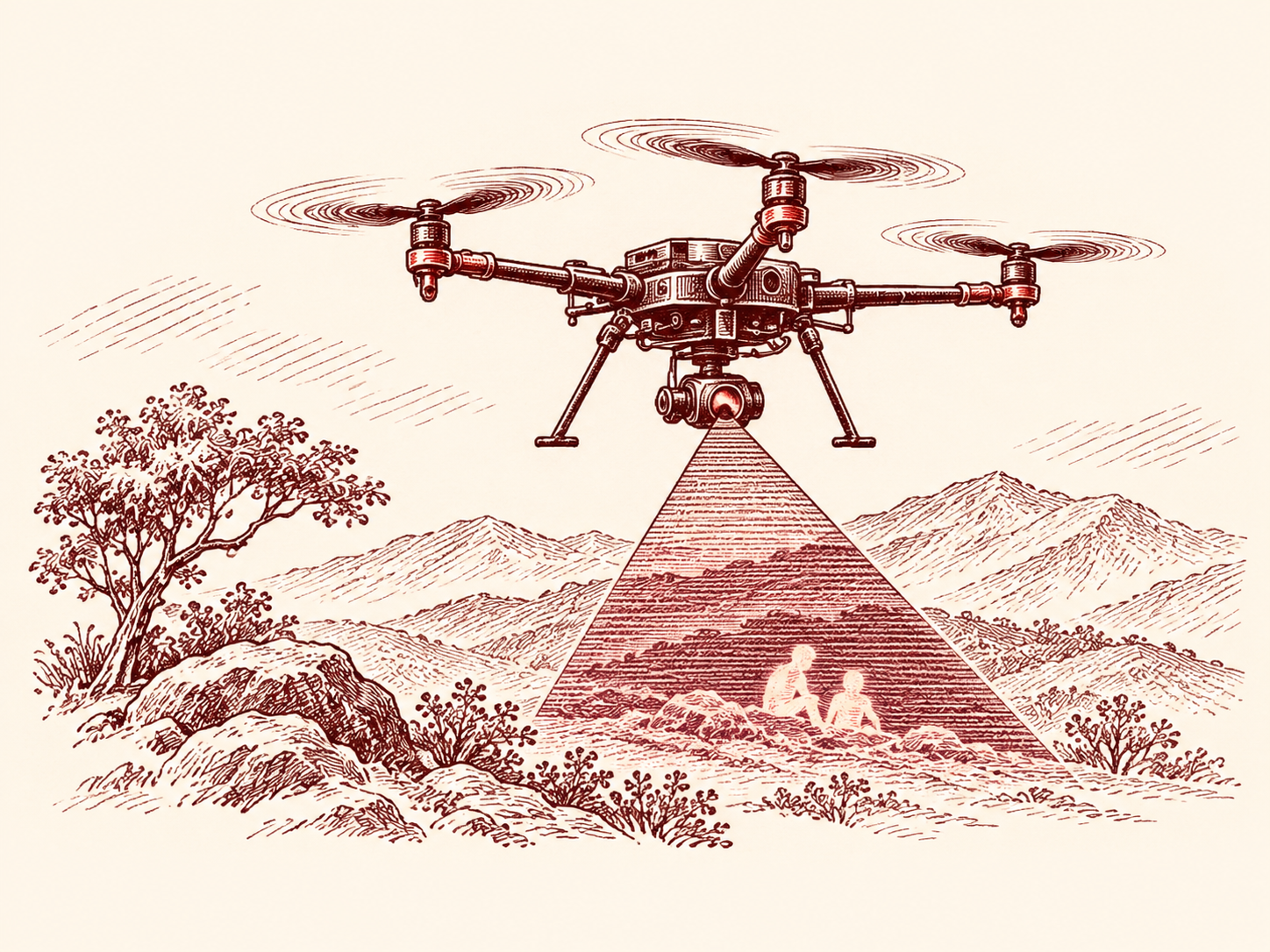
Aerial imaging and coordinated ground reconnaissance help narrow search areas and identify possible survivor locations.
Explore mission requirements →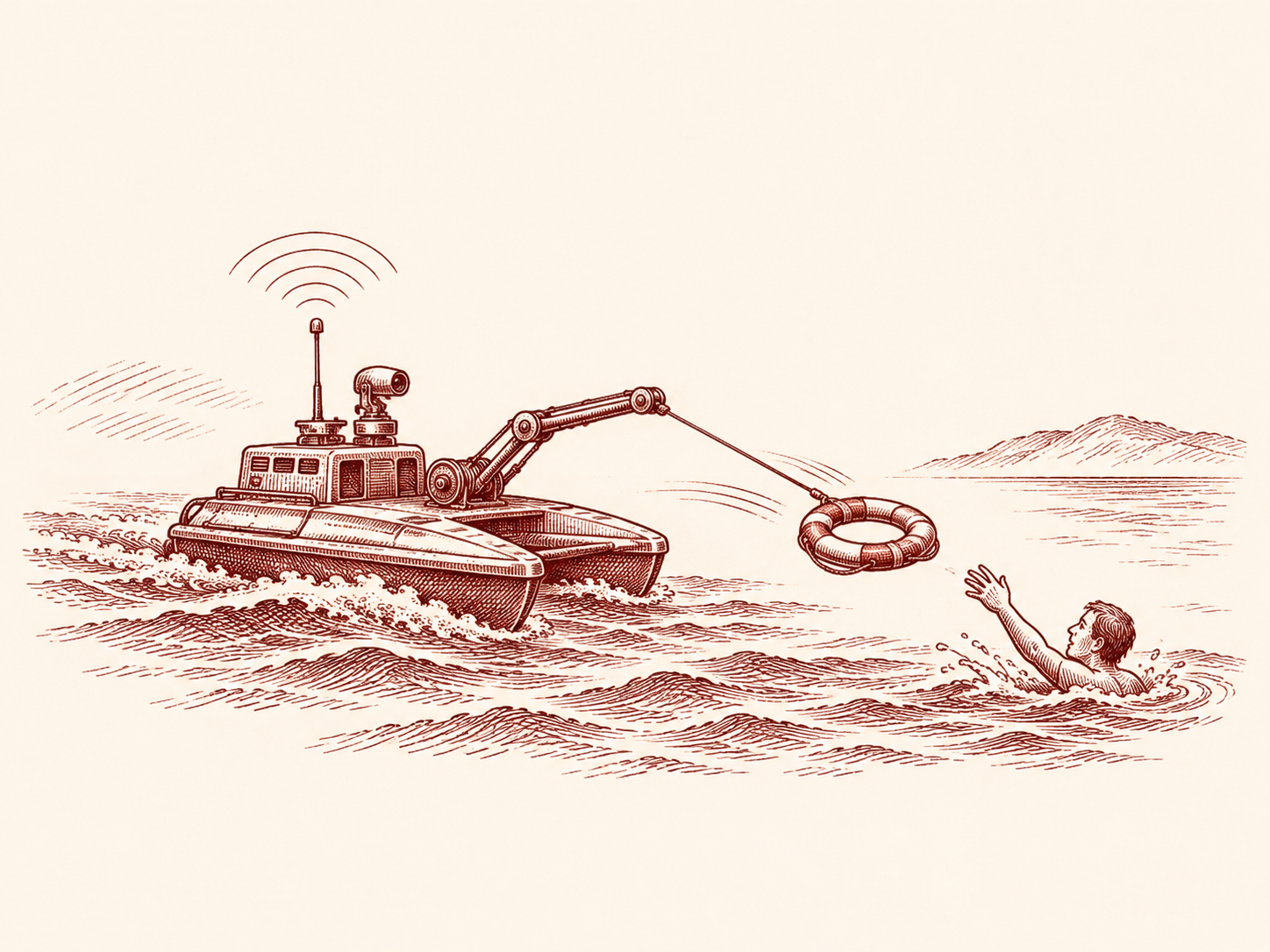
Remote flotation delivery and surface reconnaissance support rescue teams in reaching people isolated by rising water.
Explore mission requirements →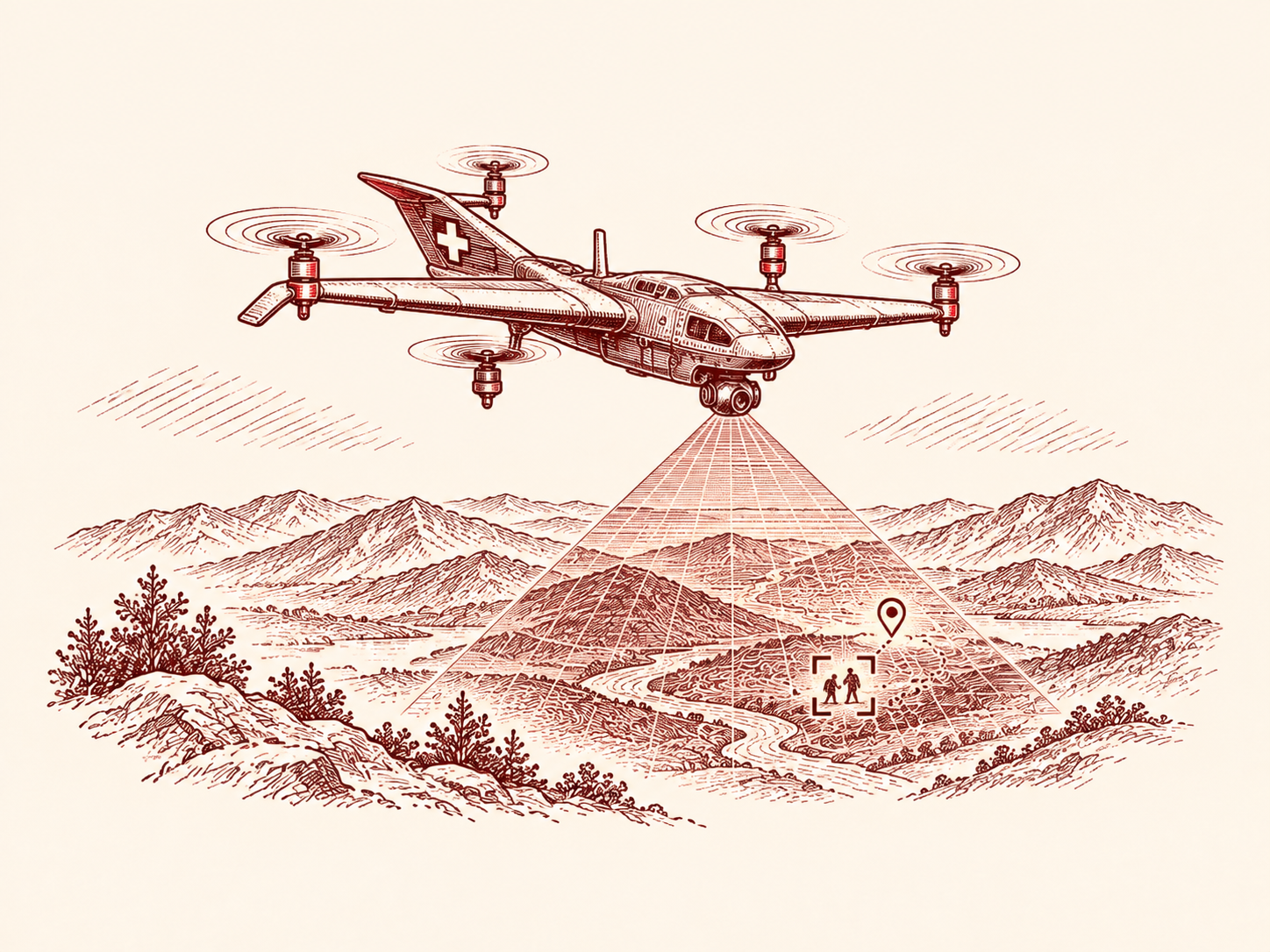
Aerial mapping and remote observation help assess damage, identify access routes and coordinate emergency resources.
Explore mission requirements →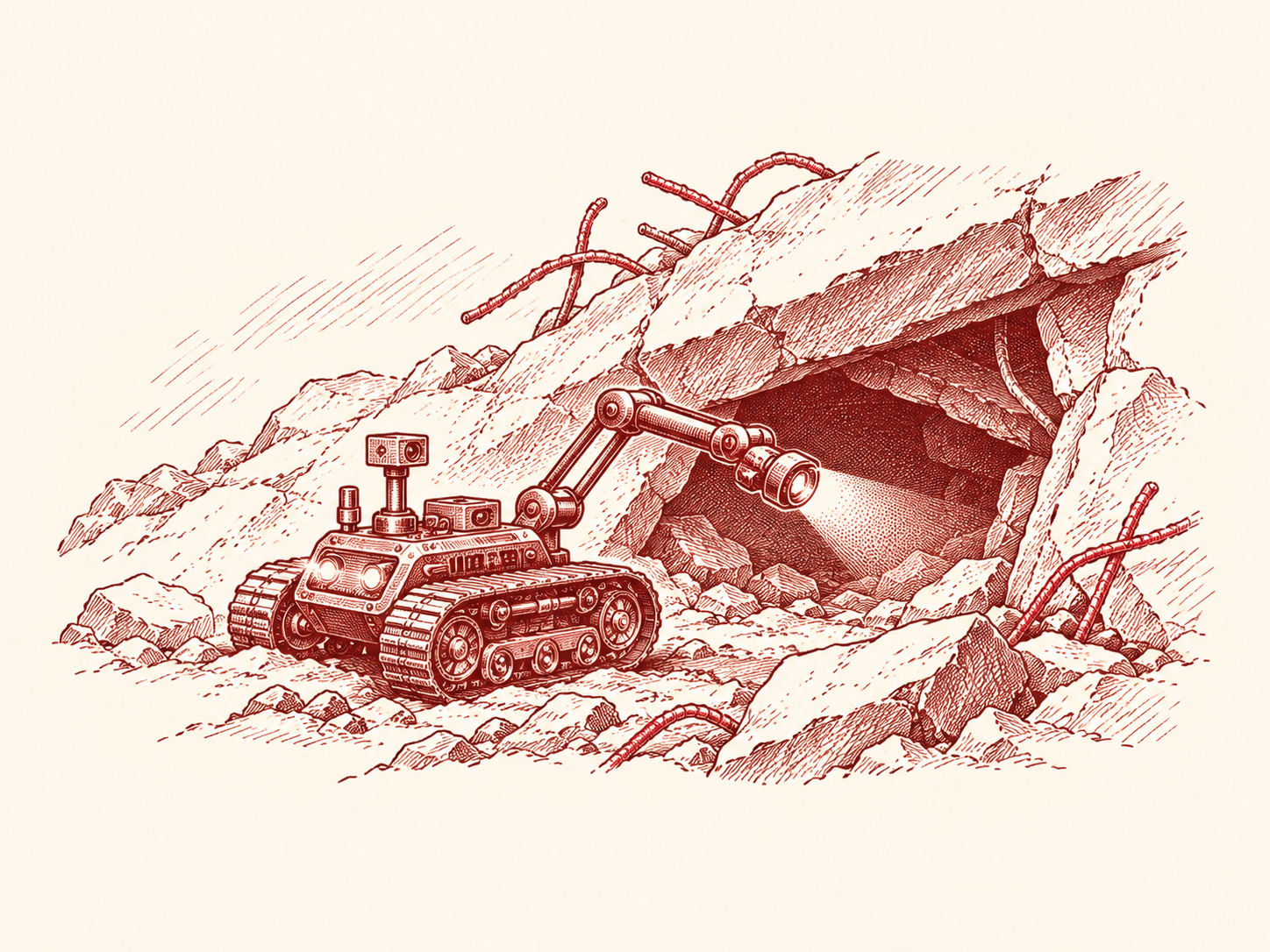
Remote inspection and environmental sensing assist trained response teams in evaluating difficult or hazardous access conditions.
Explore mission requirements →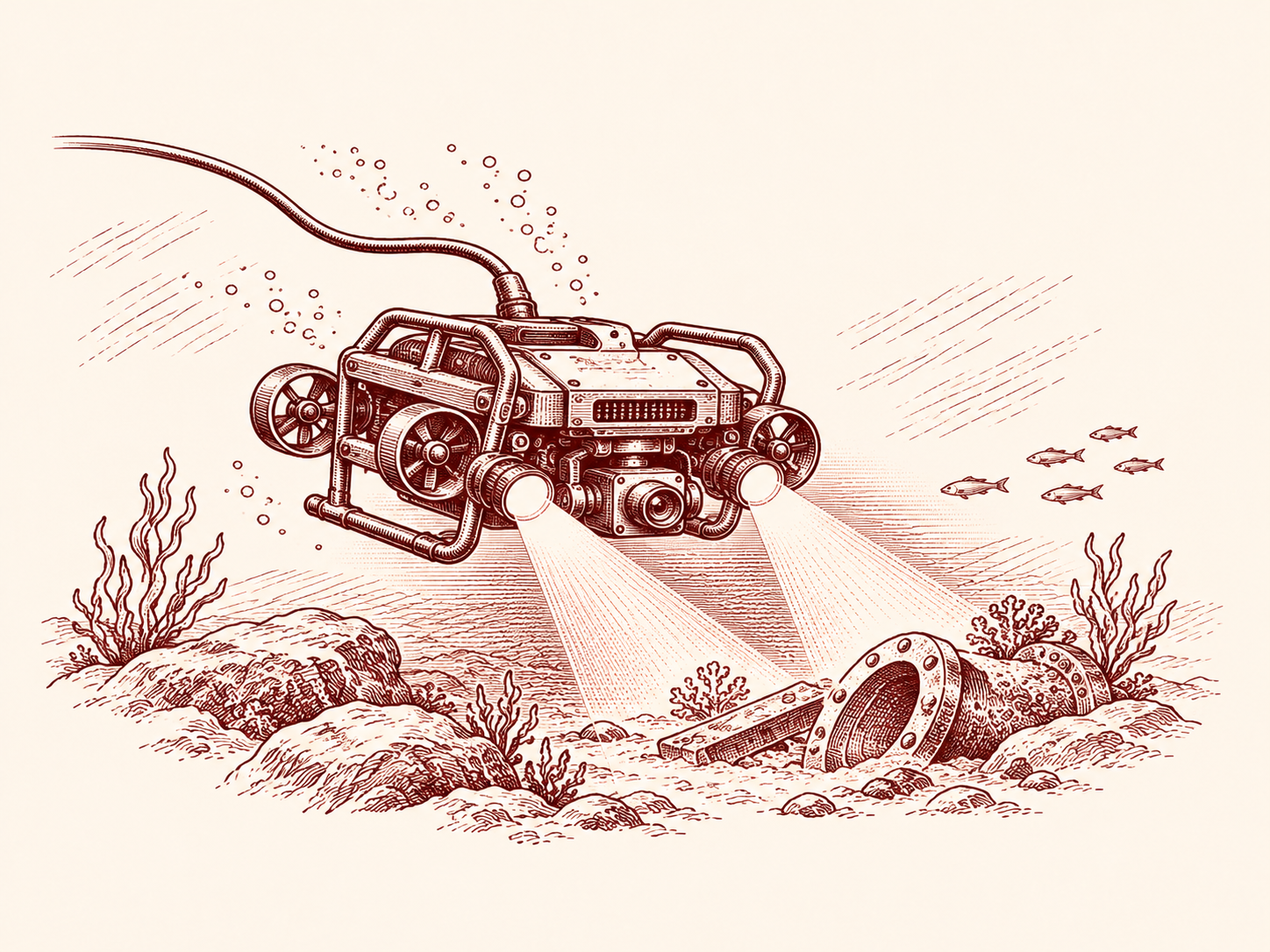
Surface rescue platforms and underwater search vehicles complement crewed maritime response operations.
Explore mission requirements →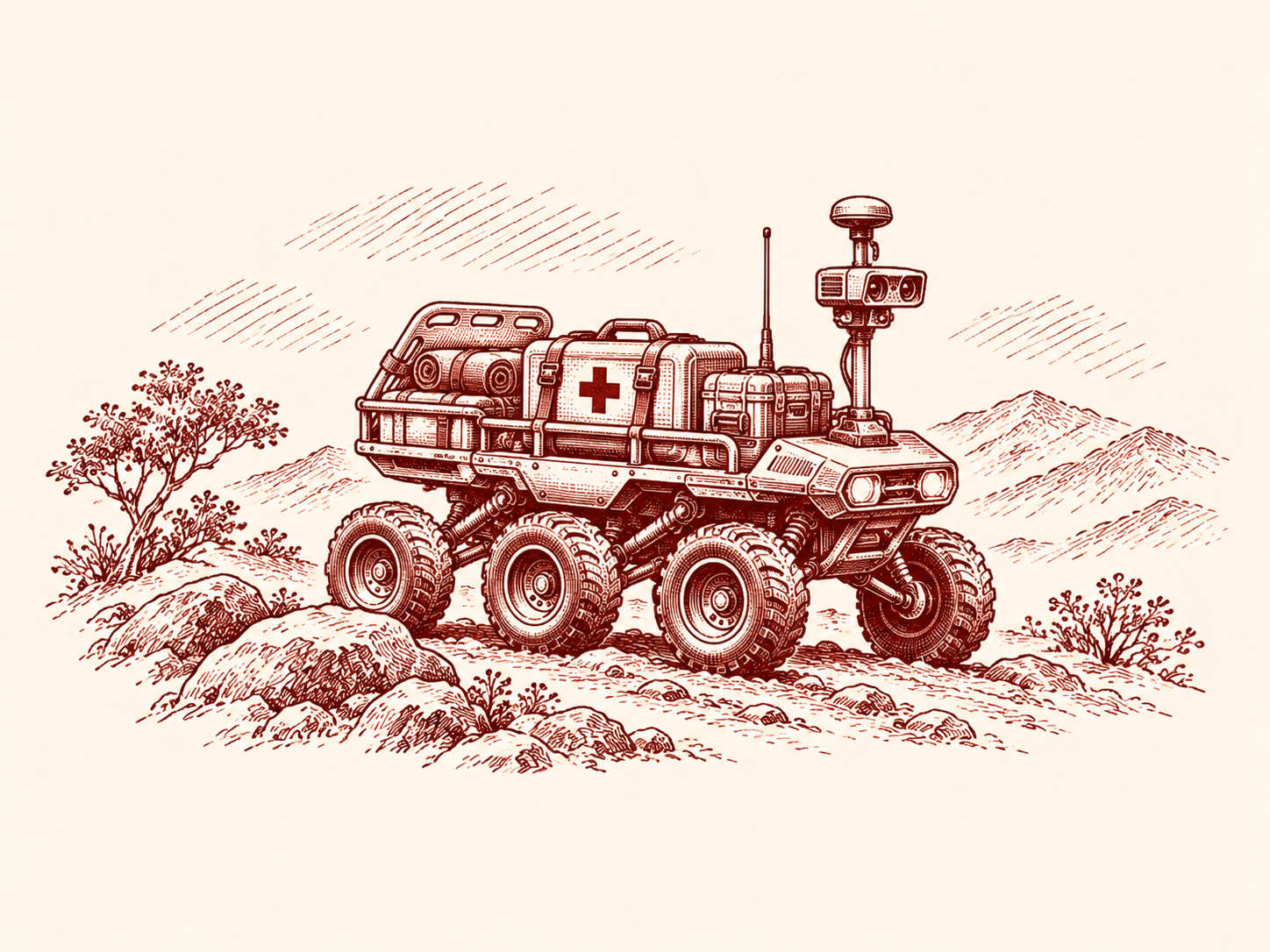
Remote ground platforms help assess terrain and deliver essential supplies without unnecessarily exposing responders.
Explore mission requirements →Command and control, RF communications, navigation, sensors and mission payloads form a coordinated engineering architecture. Human supervision and controlled validation remain fundamental.
Explore technology →Discuss the mission, operating environment and system interfaces with our engineering team.
Request technical consultation →